Lanzarote: Playa Blanca, Puerto del Carmen or Famara, where to stay
Lanzarote's resorts have nothing in common: Playa Blanca is quiet, Puerto del Carmen noisy at night, Famara short on services. Choose according to your pace before you book.
By Rédaction Le Long-CourrierChecked on 26 September 2026Report an errorContains affiliate links
When to go to Lanzarote: the climate month by month
Best months : July, August, September, that is the three months closest to 26 °C in the daytime with the fewest rainy days.
- Highs
- 25 °C
- Lows
- 19 °C
- Rain
- 0 mm
- Rainy days
- 0
Measured averages : Open-Meteo (ERA5 reanalysis), 2015-2024 averages.
When to go
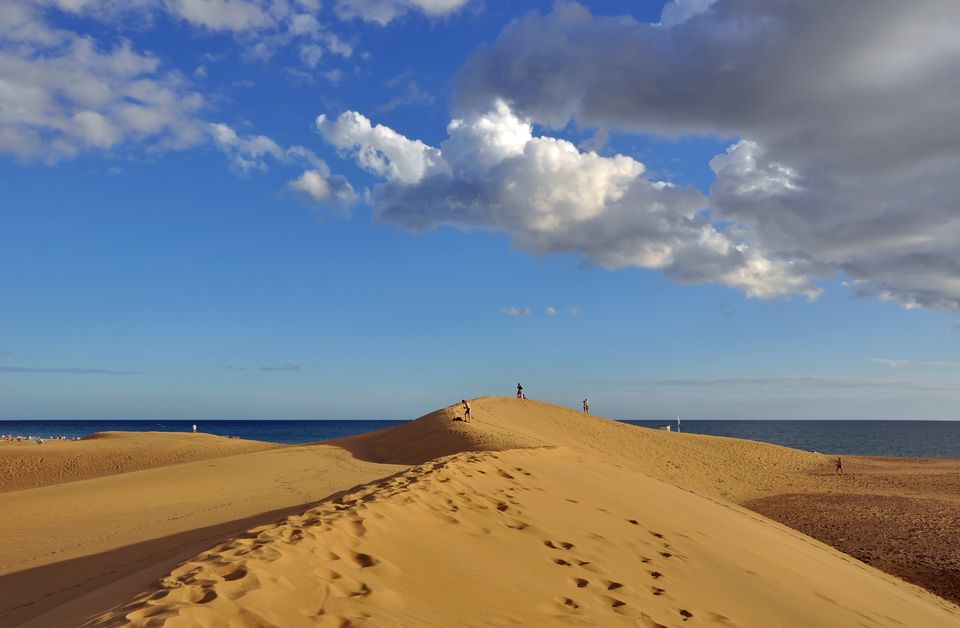
Lanzarote has a desert climate, mild all year round: days reach around 28 to 30 °C in summer and 20 °C in winter, and it rarely rains. It is this mild winter that draws visitors from Northern Europe — and that makes winter the most expensive season.
Watch out for the Canary Islands trap: the high season is winter. From Christmas to Easter, Northern Europeans come looking for sun, and prices for accommodation and car hire are at their peak. July and August, with the school holidays, form a second peak. The lowest prices are in spring and autumn, outside the holidays. In winter, the swell also delights surfers, especially at Famara.
Two festivals mark the year: the carnival, usually in February, which livens up Arrecife, and St John's Day, in June, with its bonfires.
Timanfaya National Park is mainly visited via the Route of the Volcanoes, a coach circuit run from the site; walking on your own there is tightly controlled. Come early in the morning, before the groups and the heat.
Getting there and getting around
Arrecife airport has two terminals: T1 for international flights and flights to mainland Spain, T2 for inter-island connections. Buses (guaguas) on lines 22 and 23 go to Arrecife, and those on lines 161 and 261 head to Playa Blanca via Puerto del Carmen. Car hire companies are in the arrivals hall of Terminal 1.
Bus tickets cost from 0.80 € to 3 € depending on distance. Buses serve the three main resorts well, but very rarely stop near the outlying sites: for those, hiring a car or booking an organised excursion remains essential.
Taxis are plentiful at the airport and in the main resorts, and run on the meter. Ride-hailing apps and car-sharing are little developed on the island.
In short, the bus is the cheapest way to travel along the coast, a hire car is the most flexible option for remote sites, and taxis should be used with care.
Where to stay
Playa Blanca: a resort in the south, ideal for families thanks to its sandy beaches and quiet atmosphere, and the gateway to the Papagayo beaches. Its drawback: many large all-inclusive hotels, and high prices in high season.
Puerto del Carmen: the centre of nightlife and shopping, perfect for young travellers and couples who like going out. The noise from the bars and the density of tourists may bother those looking for peace and quiet.
Costa Teguise: a smaller resort, popular with water sports enthusiasts and travellers looking for a more authentic setting. The lack of upmarket dining options may limit food lovers.
Caleta de Famara: a fishing village on the north-west coast, at the foot of the Risco de Famara cliffs, a major spot for surfing and hiking. Services (supermarkets, pharmacy) are limited there: plan your supplies.
Overall, accommodation ranges from hotels to apartment rentals and villas. Rentals offer more privacy and a kitchen, but require more logistical organisation, particularly for cleaning.
What to see
Timanfaya National Park: the lava fields offer unique lunar landscapes. The best time to visit is early in the morning, before the groups arrive, to enjoy the cool air and the best visibility.
Papagayo beaches: located in the south, these coves with turquoise water are perfect for snorkelling. Arriving in the late afternoon lets you avoid the crowds and enjoy a spectacular sunset.
Mirador del Río: a viewpoint designed by César Manrique at the northern tip of the island, looking down on the neighbouring island of La Graciosa. On a clear day, it is one of the finest panoramas in the Canary Islands.
Cueva de los Verdes: a network of volcanic tunnels visited on a guided tour. The dim lighting inside creates a particular atmosphere; explore it in the late morning to avoid the groups.
Jameos del Agua: a natural formation turned into a cultural centre by César Manrique. Concerts are sometimes held there, but the visit is pleasant at any time of day.
Each site has a distinct character; planning your visits around the light and the crowds makes for a calmer experience.
3-day itinerary
Day 1: Arrive at the airport, take bus 22 or 23 to Arrecife to discover the centre and the harbour. Then take the bus to Puerto del Carmen for lunch and a walk along the seafront promenade, and end the evening in one of its bars.
Day 2: pick up a hire car in the morning (or join an organised excursion) to go to Timanfaya National Park. Leave early to avoid the heat, and visit the trails and the geothermal restaurant. In the afternoon, drive to the Cueva de los Verdes for a guided tour, then return to Costa Teguise and stop for dinner in a small restaurant.
Day 3: Head south, preferably by car. Spend the morning swimming and snorkelling at the Papagayo beaches, reachable on foot from Playa Blanca or by car along a dirt track; bring water and a picnic, as services are scarce there. In the late afternoon, drive back up to the north-west coast and Famara for a walk at the foot of the cliffs and a sunset over the ocean.
Where and what to eat
Papas arrugadas with mojo verde or rojo: the signature dish, found in every tasca and seafood restaurant. The price varies between 3 € and 6 € depending on the place.
Gofio, a flour made from toasted grains, is the traditional staple food of the Canary Islands. It is eaten mixed into a fish broth (gofio escaldado), or mixed with milk and honey at breakfast.
Fresh fish of the day, usually tuna or grouper, grilled a la plancha and served with potato salad. A full meal costs between 10 € and 15 € in a neighbourhood tavern.
Lanzarote's wines, especially Malvasia (malvasía), come from La Geria, where each vine is planted at the bottom of a hollow in the volcanic ash, sheltered from the wind by a low stone wall: a striking landscape you can visit. A bottle costs from 8 to 12 € in wine bars.
On a tight budget, supermarkets and small cafés let you eat for less than 10 €. On Sundays, the large market in Teguise, the former capital in the centre of the island, is worth the trip for its local produce.
Budget
Tight budget: a dorm bed or a cheap apartment rental (25 € a night), meals of papas arrugadas and sandwiches (10 € a day), bus transport (~5 €). Total ≈ 40 € / day.
Comfort: a three-star hotel or a well-located apartment (80 to 120 € a night), meals in tascas and mid-range restaurants, a hire car (about 25 € a day) and entry fees to the sites. Allow 120 to 170 € a day.
No limits: a 4-star hotel suite or a villa with a pool (150 € a night), dinners in quality restaurants (40 €), a higher-category hire car (~40 €) and guided activities (park visit ~30 €). Total ≈ 260 € / day.
These ranges are consistent: accommodation always accounts for the largest share of the cost, followed by transport and food.
Practical tips
Water is scarce on the island: it comes from desalination plants. Tap water is not dangerous, but its taste is off-putting, and most residents buy bottled water. Avoid wasting it.
Taxis are plentiful and run on the meter; for a long journey, ask for an estimate before setting off. Be wary of ‘full tours’ sold at rock-bottom prices: they are often group excursions with little flexibility.
Tipping is not compulsory, but leaving 5-10 % of the total in restaurants and taxis is appreciated. Credit cards are accepted in most establishments, but keep some cash for markets and small shops.
Safety is generally good, but avoid poorly lit areas late at night in the large resorts. Pickpockets are rare but possible in the Carnival crowds.
Finally, mobile coverage can be patchy in rural areas; get a local SIM card or a European plan if you need a constant connection.
Frequently asked questions
How long should you stay to discover Lanzarote?
A three-day itinerary lets you cover the beaches, the volcanoes and the main dishes, while leaving time to relax.
What daily budget should you plan for each level of comfort?
On a tight budget, allow about 40 € a day; for comfort, 120 to 170 € with a hire car; with no limits, more than 250 €.
Is Lanzarote a safe destination for travellers?
The island is generally very safe, with little theft and a visible police presence, but stay alert in very crowded areas at night.
How do you get from the airport to the centre of Arrecife?
Buses on lines 22 and 23 link the airport to the centre of Arrecife in a few minutes, for less than 3 €. Lines 161 and 261 serve Puerto del Carmen and Playa Blanca.
What is the best season to visit Lanzarote?
Lanzarote can be visited all year round. Winter (from Christmas to Easter) is the high season and the most expensive; spring and autumn, outside school holidays, offer the best balance of weather, crowds and prices.